- 1. Prioritize Daily Cleaning Routines
- 2. Use Advanced Sanitizing Technologies
- 3. Focus on High-Touch Surfaces
- 4. Incorporate Eco-Friendly Cleaning Products
- 5. Regularly Deep Clean Your Carpets and Upholstery
- 6. Optimize Your Kitchen Cleaning Strategy
- 7. Sanitize Your Bathrooms Effectively
- 8. Develop a Weekly Cleaning Schedule
- 9. Use Smart Home Devices for Cleaning Assistance
- 10. Educate Your Family on Proper Home Cleaning and Sanitizing Practices
1. Prioritize Daily Cleaning Routines
Why daily cleaning matters in 2025
In 2025, maintaining a clean and sanitized home is more crucial than ever, especially given the ongoing emphasis on health and hygiene. Establishing daily routines ensures that dirt, dust, and germs are removed promptly, reducing the risk of illnesses and improving overall air quality. Consistent cleaning creates a healthier environment and minimizes the buildup that makes cleaning more difficult over time.
For example, wiping down kitchen counters and sink areas daily helps prevent bacterial growth. During flu seasons, daily sanitation of common touchpoints like doorknobs and light switches can significantly cut down on germ spread. Emphasizing these routines now helps keep homes safer and more inviting.
Implementing a simple routineâsuch as morning surface wipes or evening vacuumingâcan be a game-changer for home cleanliness. This consistent effort prevents messes from becoming overwhelming and reduces the need for intensive, time-consuming cleaning sessions later on.
Practical tips for establishing daily routines
Start by creating a checklist tailored to your homeâs needs. Focus on high-traffic areas and objects that people frequently touch. Use eco-friendly disinfectants to keep surfaces germ-free without harming the environment.
Designate specific times each day for certain tasksâmorning for kitchen tidiness, evening for bedroom and bathroom sanitation. Incorporate family members in these routines to make cleaning a shared responsibility. This not only distributes the workload but also promotes awareness about hygiene.
Make cleaning part of your daily ritual with reminders and easy-to-access cleaning supplies. Over time, these habits become second nature, leading to a consistently clean and sanitized home environment perfect for 2025 standards.
2. Use Advanced Sanitizing Technologies
The rise of UV-C light and sterilization devices
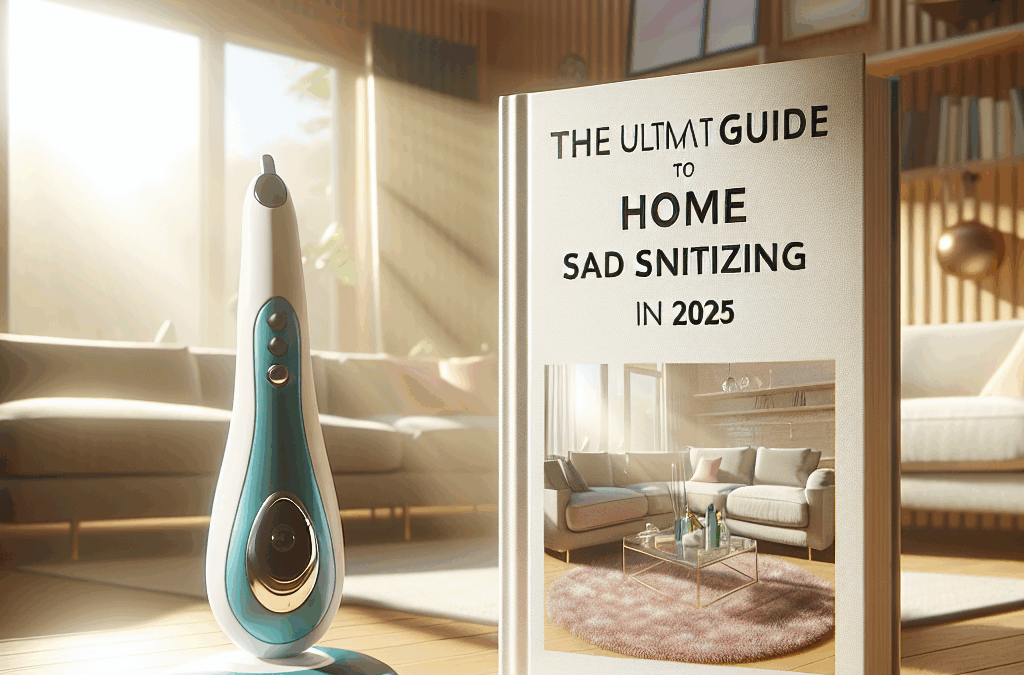
In 2025, technological advancements have revolutionized home cleaning and sanitizing. UV-C light sterilization devices are now commonplace, effectively killing bacteria and viruses without chemicals. These devices are perfect for sanitizing keyboards, smartphones, and even bathroom fixturesâplaces prone to harboring germs.
Many homes are incorporating portable UV-C wands or countertop sterilizers, which can turn a quick surface cleaning into a high-level disinfection effort. Research shows that UV-C light can reduce microbial presence by over 99.9%. This makes it an essential tool in modern home cleaning routines.
When choosing sterilization devices, opt for those with safety features that prevent accidental exposure. Proper use maximizes benefits, ensuring your living space is sanitized efficiently and safely.
Smart cleaning gadgets and robotic vacuum cleaners
Smart technology continues to advance, with robotic vacuum cleaners and smart mops becoming mainstays in homes. These devices can be programmed to clean high-traffic areas regularly, maintaining a sanitized environment with minimal effort.
Many models now feature integrated UV sterilization and HEPA filters, capturing allergens and killing germs simultaneously. Utilizing these devices ensures that cleaning is consistent and thorough, especially in hard-to-reach areas.
In 2025, integrating these high-tech tools into your home cleaning and sanitizing routine is a smart move that saves time while maintaining health standards. Regular use of advanced tech helps keep your home sparkling and germ-free.
3. Focus on High-Touch Surfaces
Identifying key high-touch points
In modern homes, many everyday objects serve as hubs for germ transfer. Recognizing high-touch surfacesâlike doorknobs, light switches, remote controls, and smartphonesâis vital for effective home cleaning and sanitizing. These items are touched dozens of times daily, making them prime germ vectors.
In 2025, using antimicrobial sprays or wipes on these surfaces daily helps break the chain of infection. Make it a habit to disinfect these points multiple times per day, especially during flu season or after illness.
Creating designated cleaning routines for high-touch items ensures they stay sanitized. Consider investing in touchless or voice-activated devices to reduce contact points further.
Practical strategies for disinfecting high-touch surfaces
Keep disinfectant wipes near entrances, the living room, and bedrooms for easy access. Use them at least twice daily, or more often if someone in your household is unwell.
For electronics, use specialized wipes that won’t damage screens or devices, and adhere to manufacturer guidelines for sanitation. Regular cleaning of these objects prevents the buildup of germs and contributes to overall home hygiene.
Remember, consistent attention to high-touch surfaces improves your homeâs resistance to germs, aligning with 2025’s best practices for home cleaning and sanitizing.
4. Incorporate Eco-Friendly Cleaning Products
Why eco-friendly cleaning matters in 2025
With increasing awareness about environmental sustainability, eco-friendly cleaning products are now a cornerstone of home cleaning and sanitizing in 2025. These products are made with biodegradable ingredients, free from harsh chemicals, and safe for both your family and the planet.
Research indicates that traditional cleaning chemicals can contribute to indoor air pollution and health issues. Transitioning to eco-conscious solutions reduces exposure to toxic substances, fostering healthier living spaces.
Plus, many plant-based disinfectants are just as effective as their chemical counterparts, supporting a sustainable lifestyle while maintaining high hygiene standards.
Tips for selecting and using eco-friendly products
Choose products certified by reputable environmental organizations. Verify that they are effective against bacteria and viruses, especially for home cleaning and sanitizing in 2025, where sanitation standards are higher than ever.
Make your own cleaning solutions using ingredients like vinegar, baking soda, and essential oilsâcost-effective and safer options. There are countless recipes available online tailored to different cleaning needs.
Incorporate reusable cloths and brushes to reduce waste. Combining eco-friendly products with sustainable habits enhances your overall cleaning routine, making it safer and more responsible in 2025.
5. Regularly Deep Clean Your Carpets and Upholstery
The importance of deep cleaning in 2025
Carpets and upholstery can trap dust, allergens, bacteria, and viruses, making deep cleaning essential for home hygiene. In 2025, with the rise of allergies and respiratory issues, maintaining a allergen-free environment is more critical than ever.
Frequent deep cleaning not only improves indoor air quality but also extends the life of your furnishings. Modern steam cleaners and allergen extraction systems are more accessible, making this task easier for homeowners.
Studies suggest that deep cleaning reduces microbial presence by up to 90%, ensuring your home remains safe for children and pets, who are more vulnerable to germs hidden in textiles.
Techniques and tools for effective deep cleaning
Invest in high-quality steam cleaners that use hot water vapor to sanitize surfaces without chemicals. Use enzyme-based cleaning agents to break down stains and biological contaminants.
Schedule deep cleaning sessions at least quarterly or more often if you have pets or allergies. Regular maintenance prevents germs from settling into fabrics, reinforcing your home cleaning and sanitizing standards.
Consider professional services for deep cleaning, especially for large or heavily soiled items. This helps maintain a pristine and healthy home environment throughout 2025.
6. Optimize Your Kitchen Cleaning Strategy
Key components of an effective kitchen cleaning plan
The kitchen is the heart of home cleaning and sanitizing efforts. In 2025, focus on sanitizing cutting boards, appliances, and countertops daily. Proper storage of food items also prevents cross-contamination.
Use disinfectants approved for kitchen surfaces to eliminate bacteria like Salmonella and E. coli. Regularly clean refrigerator handles, oven knobs, and cleaning tools.
Creating a checklist that includes wiping down sinks, cleaning inside appliances, and sanitizing food prep areas ensures comprehensive kitchen hygiene. Remember, a clean kitchen minimizes the risk of foodborne illnesses.
Practical tips for maintaining a sanitary kitchen
Designate specific cleaning tools for different areasâwooden cutting boards, stainless steel surfaces, etc.âto avoid cross-contamination.
Use hot water and dish soap daily, followed by disinfectant sprays weekly. Replace sponges and scrub brushes regularly to prevent bacterial buildup.
Implement a routine of evening clean-up: wipe down counters, sanitize sinks, and clean appliance surfaces. Together, these steps contribute greatly to effective home cleaning and sanitizing in the kitchen in 2025.
7. Sanitize Your Bathrooms Effectively
Best practices for bathroom hygiene in 2025
Bathrooms are hotspots for germs, mold, and bacteria. Effective home cleaning and sanitizing in 2025 involves thorough disinfecting of toilets, showers, sinks, and floors. Use EPA-approved disinfectants specifically designed for bathroom surfaces.
Address mold and mildew promptly by maintaining proper ventilation and using mold-resistant paints. Regularly clean grout and sealant to prevent bacterial growth.
Remember, high humidity levels in bathrooms help bacteria thrive. Installing dehumidifiers or exhaust fans significantly improves hygiene conditions.
Tools and techniques for bathroom sanitation
Use handheld steam cleaners for quick and chemical-free sanitization of tiles and shower curtains. Disinfect toilet bowls with designated brushes and appropriate cleaners weekly.
Apply a bleach-based disinfectant or alternative eco-friendly options for intensive cleaning sessions. Wipe down bathroom fixtures daily with microfiber cloths for ongoing sanitation.
Scheduling deep cleaning every 1-2 weeks ensures your bathroom remains a safe, clean space for everyone in your household in 2025.
8. Develop a Weekly Cleaning Schedule
The importance of consistency in home cleaning and sanitizing
A structured weekly schedule helps maintain a high standard of hygiene throughout your home. In 2025, following a routine ensures no area or task is overlooked, keeping germs at bay.
Divide tasks into daily, weekly, and monthly actions. Daily routines might include surface wiping and trash disposal, while weekly tasks cover mopping, deep vacuuming, and bathroom sanitation.
Consistency reduces clutter and dirt accumulation, making daily home cleaning and sanitizing more manageable and effective.
Sample cleaning schedule for 2025
- Monday: Kitchen and countertops
- Tuesday: Living room dusting and vacuuming
- Wednesday: Bathrooms deep cleaning
- Thursday: Bedroom linens and surfaces
- Friday: Windows and mirrors
- Saturday: Carpets and upholstery
- Sunday: Rest day or light cleaning
9. Use Smart Home Devices for Cleaning Assistance
Adapting to smart technology trends in 2025
Smart home devices are transforming how we approach home cleaning and sanitizing. Automated vacuum cleaners, robotic mops, and voice-controlled assistants streamline tasks and ensure higher consistency.
In 2025, many devices now come with integrated sensors, UV sterilization capabilities, and app connectivityâallowing you to schedule, monitor, and control cleaning remotely. This reduces manual effort and ensures cleaning happens regularly.
By leveraging these smart technologies, you can maintain a cleaner, more sanitized home environment effortlessly, keeping up with the high standards of 2025.
Benefits of integrating smart cleaning devices
Efficiency: Complete tasks faster and more uniformly than manual cleaning alone.
Effectiveness: Reduce bacteria and viruses with devices that include sterilization features.
Convenience: Automate routine chores, freeing up your time for other activities while ensuring consistent home hygiene.
10. Educate Your Family on Proper Home Cleaning and Sanitizing Practices
The role of family involvement in hygiene standards
Teaching everyone in your household about the importance of home cleaning and sanitizing is vital. In 2025, fostering this awareness helps maintain a healthier living space for all members.
Explain the correct way to disinfect surfaces, wash hands, and store cleaning supplies safely. Encourage children to participate in age-appropriate routines, making cleaning a team effort.
Empowered with knowledge, your family can actively contribute to keeping your home safe and sanitized, reinforcing habits that promote ongoing hygiene excellence.
Practical strategies for family education
- Hold regular mini-lesson sessions about germs and hygiene.
- Create fun cleaning challenges or rewards to motivate participation.
- Lead by exampleâdemonstrate proper cleaning and sanitizing techniques consistently.
Frequently Asked Questions about Home Cleaning and Sanitizing in 2025
Q1. How often should I sanitize high-touch surfaces in my home in 2025?
In 2025, it’s recommended to disinfect high-touch surfaces at least twice daily, especially during flu or cold seasons, to minimize germ spread.
Q2. What are the best eco-friendly cleaning products for home sanitizing?
Look for products certified by environmental organizations that contain natural ingredients like vinegar, baking soda, or essential oils. Many brands now offer highly effective eco-friendly disinfectants.
Q3. How can I ensure my home is thoroughly cleaned and sanitized without chemicals?
Use steam cleaning, UV sterilization devices, and natural disinfectants such as diluted vinegar solutions. These methods are safe and effective for home sanitizing in 2025.
Q4. Why is home cleaning and sanitizing especially important in 2025?
With increased awareness of health and hygiene, reducing germs and allergens is critical for family safety. Modern homes require diligent routines to maintain cleanliness and prevent disease transmission.
Q5. What role do smart devices play in home cleaning and sanitizing?
Smart devices automate cleaning tasks, improve efficiency, and often include sanitization features like UV sterilization, making it easier to keep homes clean and safe in 2025.
Conclusion
In 2025, the importance of effective home cleaning and sanitizing cannot be overstated. Staying proactive with routines, leveraging advanced technologies, and educating your family ensure that your home remains a healthy, safe haven. Incorporating these 10 tips will elevate your cleaning practices to meet the high standards of hygiene expected in the modern era. Remember, a well-maintained and sanitized home is the foundation of your family’s health and well-being.